SHARE’s annual awards recognize members whose dedication and leadership strengthen the organization’s technical excellence and community. At SHARE Orlando, two longtime contributors were honored for their lasting impact.
Ed Jaffe, chief technology officer at Phoenix Software International, received the John R. Ehrman Award for Sustained Excellence in Technical Education, which honors members who have made significant contributions to SHARE’s technical program through presentations, white papers, and active leadership across task forces and initiatives.
Janet Sun, IBM Champion and past SHARE president, was awarded the Laetitia Harrer Snow Memorial Award for Humanitarian Service, recognizing exceptional commitment to SHARE’s mission, culture, and people through sustained volunteerism, mentoring, and leadership.
In this Q&A, Jaffe and Sun reflect on their mainframe journeys, their involvement with SHARE, and the advice they offer to the next generation of technical leaders.
What’s your mainframe story? How did you come to the platform?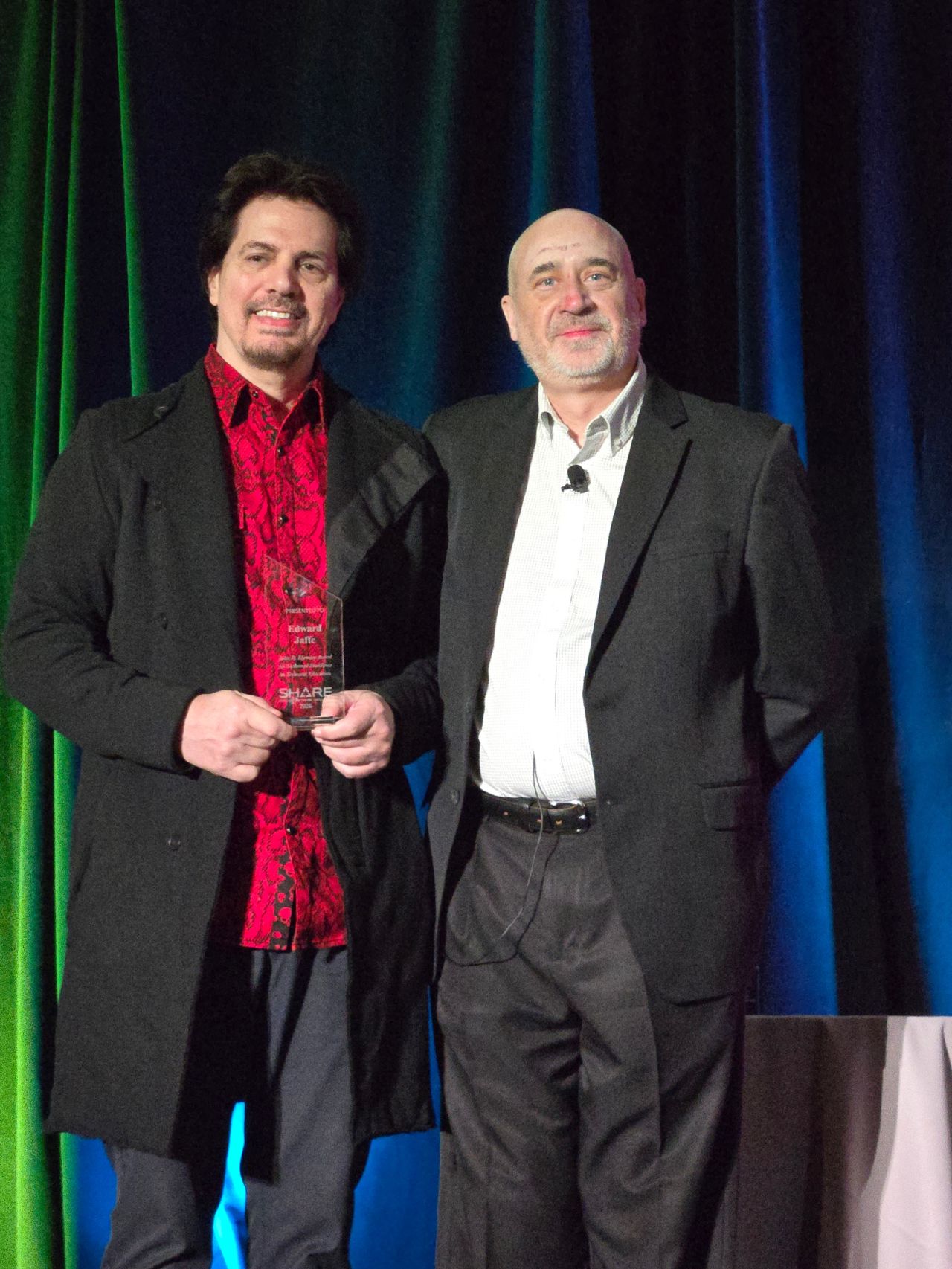
Ed Jaffe (EJ): I was 16 years old when I logged onto the Time Sharing Option (TSO) interface for the first time. My high school had a keypunch machine, but no onsite IBM mainframe. I was one of three math lab aides who delivered card decks to a local business that donated IBM mainframe computer time to the school. They would run compile/go jobs, and give us the output to bring back to the students. I taught myself BASIC, FORTRAN, PL/I, and IBM assembler language. It was really fun.
After college, I transitioned to writing code professionally for IBM PCs and Motorola 68000s, but ended up back on platform when I moved to Los Angeles and took an IBM mainframe assembler language coding job at a bank.
I absolutely love working with mainframe technology and can’t imagine a world in which I would be forced to work exclusively with off-platform technologies. I don’t find them nearly as exciting.
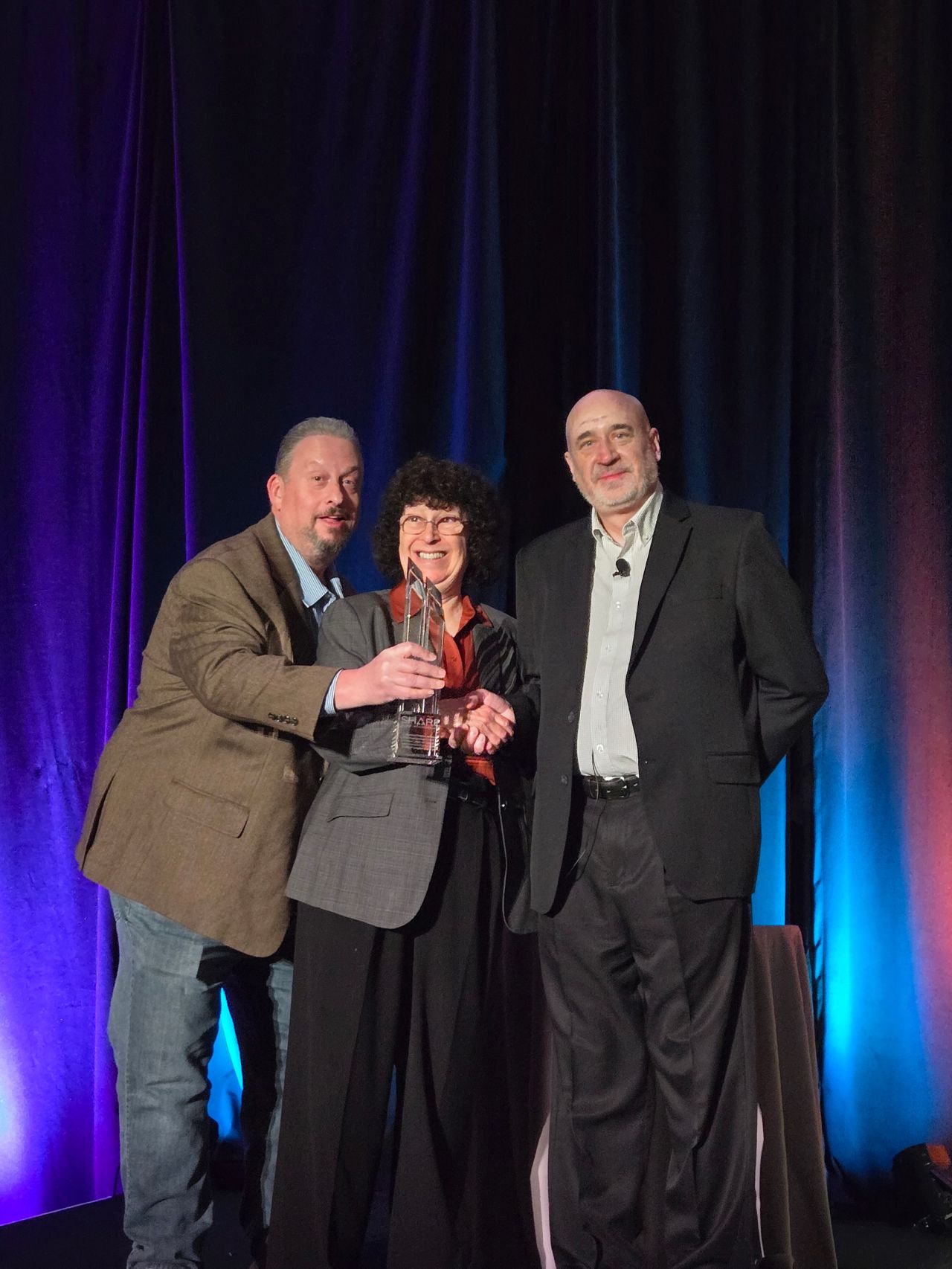 Janet Sun (JS): I have been blessed to have had many mentors who have guided me throughout my career. When I entered the workforce, mentors helped focus my interests and propensities and steer me through increasing levels of responsibility.
I have always enjoyed problem solving, and that combined with my attention to detail led me to an early role in mainframe systems programming. I then transitioned to a software company in their systems engineering group. This was a huge change, as I was now interacting more with other people. Yet, I was encouraged by mentors who assured me that I was gaining skill and respect. At first, I helped clients one at a time, but found that by using my presentation skills, I was able to help multiple clients exploit the strength of the mainframe platform.
As I gained experience, younger professionals began seeking my counsel. Early in my journey, mentors inspired me and bolstered me, and later, I found I was able to help others. Having honed my skills in leadership and strategy both at work as a director of software engineering and as president of SHARE, I now give back by sharing my experiences and knowledge with others.
How did you first learn about SHARE? And what made you want to join the SHARE Community?
EJ: While working for Phoenix Software, I became enamored with IBM’s JES3 job entry subsystem after upgrading our internal systems from JES2 to JES3. I had authored my own SPOOL Browse Interface (originally for internal use only) and wanted to seek out others in the JES3 community with whom to collaborate and share information. To that end, I started attending SHARE regularly. I learned about user groups through the various mainframe-related publications I had subscribed to (e.g., NaSPA’s Technical Support magazine). My first SHARE conference was at Anaheim in 1990.
JS: When I first began attending SHARE in the late 1980s, SHARE was the place to get the latest information and insight into the latest developments in mainframe technology. I found it to be quite energizing and exciting to be surrounded by so many brilliant and experienced technicians. In those early days, I also found it to be a bit intimidating.
I was quite honored when I was asked to help. SHARE offered me the opportunity to contribute, but also to grow and develop skills that were more easily cultivated in a volunteer environment.
At SHARE, I found mentors with decades of SHARE leadership experience who were willing to offer their insights. With their guidance, my responsibilities at SHARE increased, and I was elected to various Board positions. The SHARE community has many leaders who love the organization and have volunteered years of their lives to supporting and growing the mainframe ecosystem.
What does this award mean to you?
EJ: I have been presenting to SHARE attendees continually for 34 years. I love explaining complex subjects using common analogies and simple words we all understand. I often say, “Learning is its own reward,” and I’ve discovered that enabling others to learn from you is equally rewarding.
I have numerous SHARE Best Session Awards, Best of the Best Session Awards, and a Distinguished Speaker Award, which makes me ineligible for additional speaking awards. None of them compares to being awarded the John R. Ehrman Award for Sustained Excellence in Technical Education.
John Ehrman and I were friends. We shared meals together, and we shared a love of IBM’s mainframe assembler language. We collaborated on session ideas, and I happily presented them as advanced mainframe assembler language topics to his Assembler Bootcamp attendees at SHARE. Two of my SHARE Best Session Awards came from that collaboration.
It’s an honor to have received an award with John’s name on it, and I think John — wherever he is in the cosmos right now — is also pleased.
JS: It is important that SHARE highlights the community aspect of the organization. SHARE is well known as a technology venue, but the Laetitia “Tish” Snow Award gives SHARE the occasion to show how it values mentoring and relationship in addition to technology.
The Tish Snow Award shows that SHARE recognizes that the organization can deliver more than just technical education, and that SHARE participants are people and that connections are critical. SHARE is more than simply an education supplier. As a user community, the critical differentiator that SHARE provides is the availability of a group of caring professionals who can listen and offer unbiased guidance, counsel, and mentoring — not just from a technology perspective, but also career direction.
How have SHARE conferences supported you in your professional goals?
EJ: I made a lot of contacts at SHARE over the years, many of whom I now consider friends. I began presenting at SHARE conferences in 1992, and became a SHARE volunteer in 1998. SHARE gave me an opportunity to practice both presentation and leadership skills in a safe non-work-related environment.
JS: SHARE has given me the chance to stretch and grow, developing and using skills that were nascent in my work environment. The first skills that I worked on were presentation skills. At SHARE, this eventually resulted in multiple Best Session Awards, and even a Best of the Best Award. For instance, my session with IBM’s Stephen Branch, “ICF Catalog Tips and Best Practices,” earned The Best of the Best at Phoenix in 2019. At work, my presentation skills resulted in visibility within the company and eventually multiple promotions.
At SHARE, when I was elected to the Board of Directors, and eventually, SHARE president, I learned about corporate strategy and finances, as well as marketing and negotiation skills. All of these additional skills also resulted in greater visibility at work and promotions.
What advice would you give other SHARE members about volunteering and providing technical education opportunities in the community?
EJ: I said earlier that learning is its own reward. The same is true of volunteering. Both activities can make you a better person, both spiritually and professionally.
Today’s IT world seeks to gamify everything. You can earn badges just for attending a one-day virtual conference or for completing an online course that takes just a few hours. But I believe no one should be volunteering so they can earn a badge or improve their personal brand. A volunteer’s focus should be on what their time and expertise can offer the community they wish to serve. The rest will follow organically.
Think small. Your contribution doesn’t have to be grandiose or complex. A beginner’s class in anything with which you have experience will be valuable to someone who hasn’t yet tried it. There are 20-minute session opportunities at SHARE if you can’t fill a whole hour. Just do it.
JS: When attending a face-to-face event, focus on establishing contacts who you can connect with when you return to your work environment. Find people who you see at the same sessions that you are attending; they likely have similar interests to you. Remember to spend time engaging with session speakers as well. Find time during the week to build on those relationships: meet for a meal, meet between sessions, and meet in the trade show.
One way SHARE tries to facilitate community building is through badge stickers that show individual’s areas of interest. Take advantage of those stickers as conversation starters. Look for attendees wearing “volunteer” ribbons and ask how you can help. Get contact information and get involved. Be persistent. Find a mentor.
Make the most of your SHARE membership and volunteer today. Don’t forget to register for SHARE Pittsburgh (Aug. 16-20) and SHARE Blueprint — Post-Quantum Cryptography and Its Impact on Mainframe Security (Aug. 20-21).
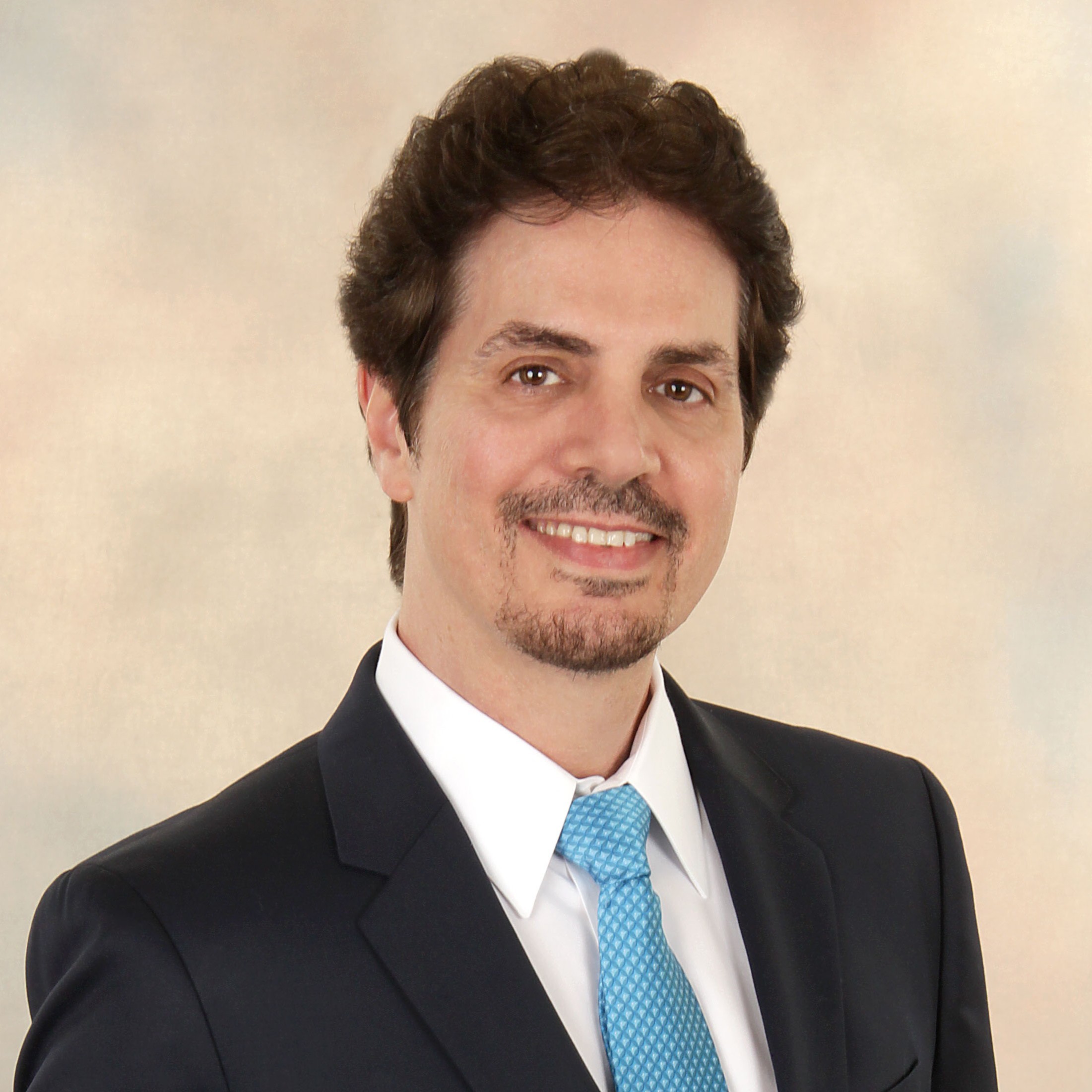
Ed Jaffe is the chief technology officer at Phoenix Software. He spent 25 years as a SHARE volunteer, the last 11 of which were his leadership role as Manager of the MVS Program and z/OS Focus Area. He's an accomplished z/OS product developer, has a strong and unique relationship with IBM, and has been energetically advocating for the IBM Z platform since the early 1990s. Ed has been a SHARE presenter for 34 years and holds numerous awards and recognitions for his efforts.
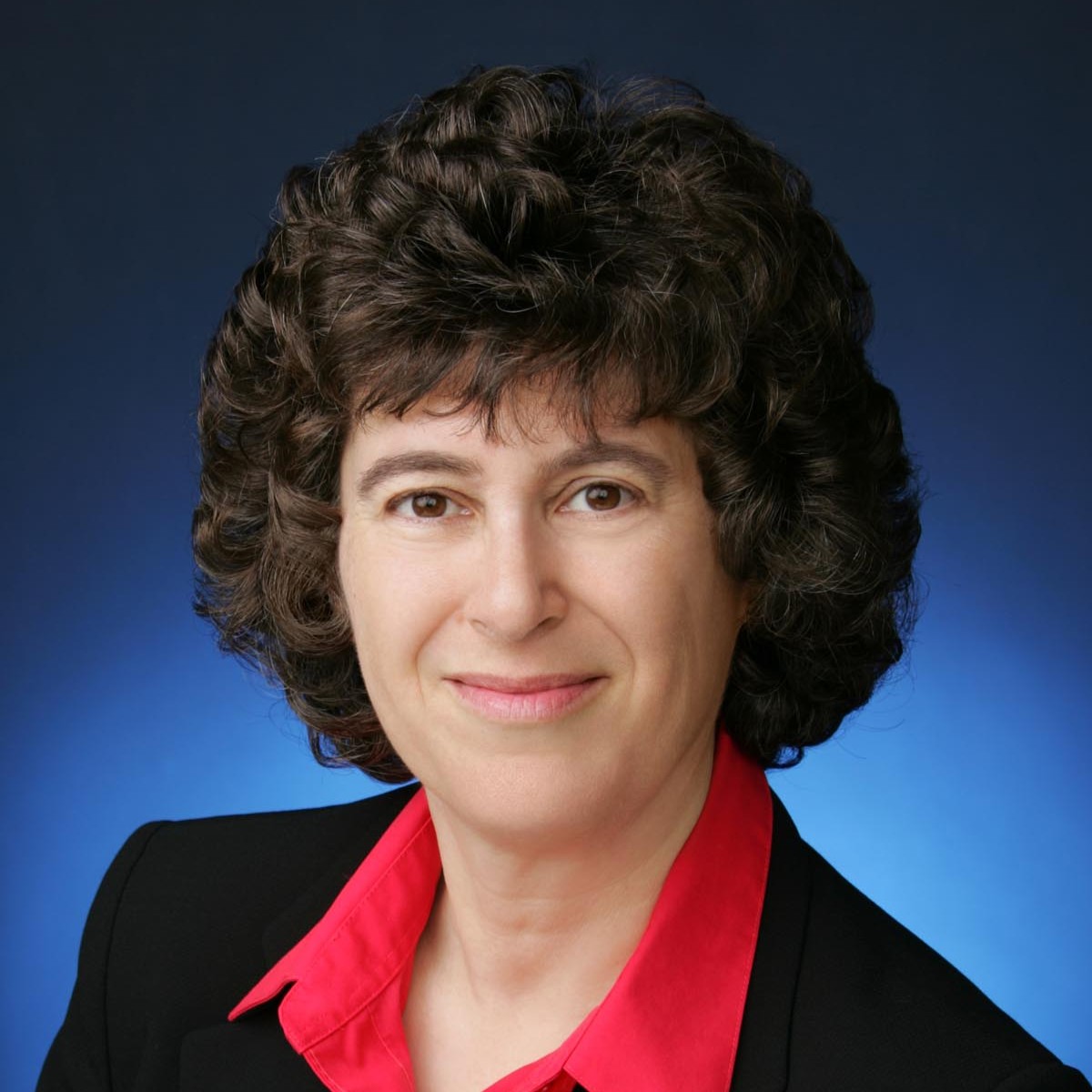
Janet Sun has mainframe experience spanning z/OS operating systems management, performance management, storage management, data security, and disaster recovery planning. She has also been a director of software engineering and principal product manager focusing on z/OS storage management and cloud tools, with a specialty in ICF catalog management. As an active member and volunteer of SHARE, she has held many volunteer leadership positions, including having served as the president of SHARE.